
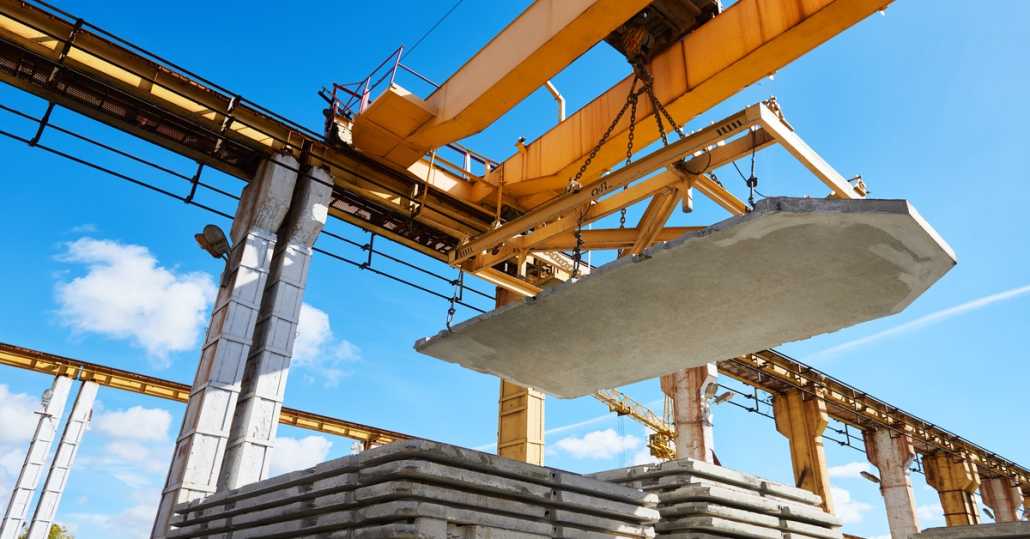
Vacuum vs. Mechanical Concrete Slab Lifting
Concrete slabs don’t move themselves. Whether you’re hauling Jersey barriers on a highway job or repositioning precast panels at a construction site, you need the right gear to get it done. The differences between vacuum and mechanical concrete slab lifting come down to what works best for your operation, your crew, and the conditions you face daily.
Kenco has spent over three decades perfecting barrier lifts and material handling attachments because we know one thing: when you’re moving tons of concrete, failure isn’t an option. Let’s break down how these two lifting methods stack up in the real world.
How Vacuum Lifting Systems Work
Vacuum lifters use suction cups and negative air pressure to grip concrete surfaces. The system creates a seal between the pad and the slab, then pumps out the air to generate a holding force. Operators attach the vacuum head to the concrete, fire up the pump, and wait for the system to achieve full suction before lifting.
These units work well on smooth, non-porous surfaces where a complete seal forms easily. The technology sounds simple enough, but it demands specific surface conditions to function safely. Any cracks, textures, or moisture on the concrete can compromise the seal and pose serious safety risks on your job site.
How Mechanical Lifting Systems Work
Mechanical lifts grab concrete through direct physical contact. Kenco’s barrier lift uses steel tongs that clamp onto the slab from the sides, providing a secure mechanical grip that won’t let go. Your operator positions the attachment, closes the clamps around the barrier, and lifts—no waiting, no guessing, no checking pressure gauges.
The slab-lifting equipment locks on tight regardless of surface texture, weather conditions, or whether the concrete is wet, dry, cracked, or covered in job-site grime. Mechanical systems deliver consistent performance because they rely on proven engineering principles rather than maintaining an air-tight seal under variable field conditions.
Which System Handles Tough Job Conditions Better
Mechanical lifting is popular in real-world construction environments. Rain, mud, dust, and temperature swings quickly destroy vacuum-seal integrity. A mechanical clamp doesn’t care if the concrete is frozen, scorching hot, or covered in dirt—it grips and holds.
Kenco barrier lifts handle damaged concrete, textured surfaces, and aged materials that would leave vacuum systems struggling. Your crew stays productive instead of troubleshooting seal failures or wiping down surfaces.
Downtime costs money, and mechanical systems keep your operation moving forward when conditions get rough. That reliability directly translates into your bottom line and project timeline.
Choose the Right Lifting Method for Your Job
Your site conditions, budget, and operational demands determine which lifting method works best. Both vacuum and mechanical concrete slab lifting have distinct advantages depending on your specific circumstances.
Vacuum systems are suitable for controlled environments with smooth, clean surfaces and minimal weather exposure. Mechanical attachments handle varied conditions, rough surfaces, and the unpredictable challenges construction crews face daily.
Kenco has manufactured reliable barrier lifts and material handling attachments for over 30 years because we understand what operators need in the field. Evaluate your typical job site conditions, maintenance capabilities, and performance requirements before choosing your lifting solution. The right slab lifting equipment keeps your crew safe and your projects moving forward.


Leave a Reply
Want to join the discussion?Feel free to contribute!