
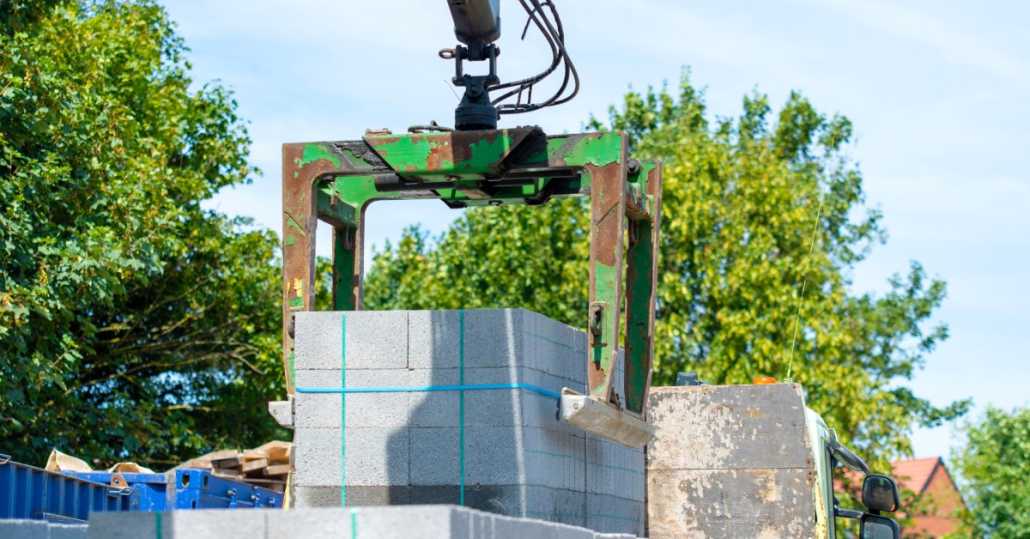
How Jersey Wall Clamps Distribute Lifting Force
You see those concrete barriers lining every highway and construction site across the country. Moving them safely takes more than brute force. It also takes clever engineering. How jersey wall clamps distribute lifting force requires an understanding of fundamental physics and proper equipment design.
Jersey barriers weigh thousands of pounds, and a single misstep can damage equipment, crack concrete, or cause injury. The right clamp spreads that massive weight across the barrier’s surface, turning a dangerous lift into a controlled operation.
Kenco engineered the first barrier lift over 30 years ago, and contractors still trust our design because we got the fundamentals right from day one. The difference between a quality clamp and a cheap knockoff becomes clear when you’re moving 4,000-pound concrete sections all day long.
The Physics Behind Contact Points
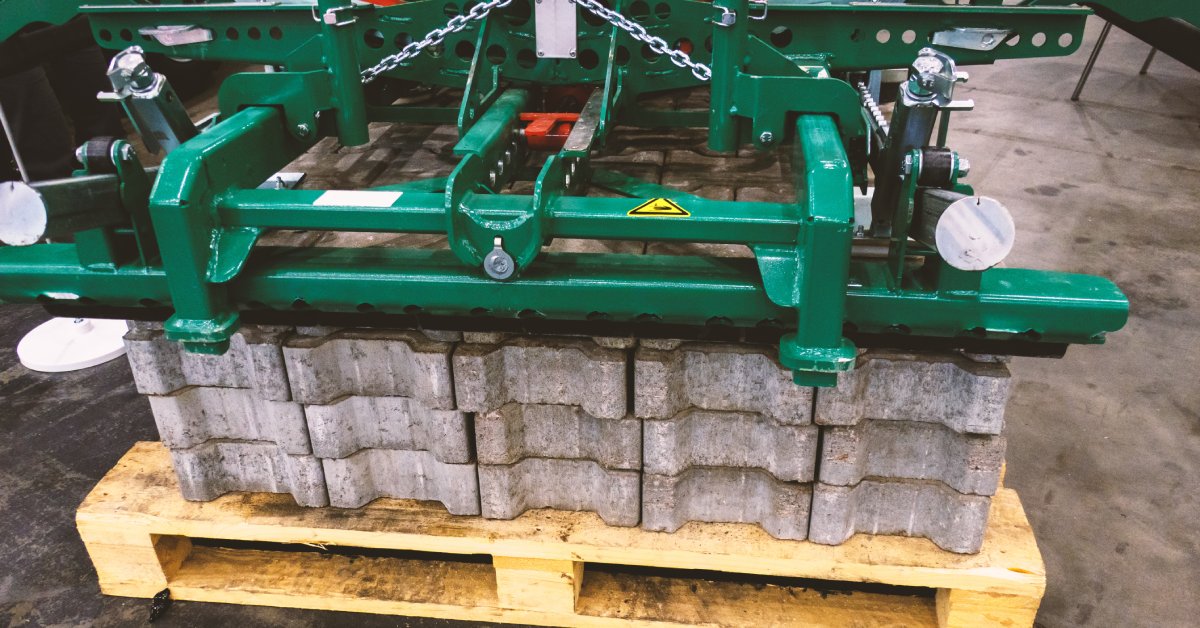
Load distribution starts at the contact points where steel meets concrete. A jersey wall clamp grips the barrier at specific locations, and those grip points determine how forces travel through the concrete. Poor contact design concentrates stress into small areas, creating pressure points that can chip or crack the barrier.
Good clamps spread the clamping force across a wider surface area, keeping the pressure below the concrete’s failure threshold. The shape of the contact pads matters too—flat surfaces work better than narrow edges because they maximize the load-bearing area.
When you lift a barrier, gravity pulls straight down while the clamp pulls up. The clamp needs to counteract that downward force without crushing the concrete beneath it. Engineers calculate these forces in pounds per square inch, and staying below critical PSI values separates safe lifts from disasters waiting to happen.
Grip Geometry and Force Vectors
The angle at which a clamp grips a barrier changes the distribution of forces. Jersey barriers have that distinctive sloped profile—narrow at the bottom, wider at the top. This shape creates specific angles that clamps must accommodate to maintain secure contact.
When a clamp engages at the correct angle, it converts the vertical lifting force into both vertical and horizontal components. The horizontal force pushes the clamp’s arms inward against the barrier’s sloped sides, tightening their grip as the load rises. But when the geometry is off, the forces work against you, creating angles that cause the clamp to slip instead of hold.
Kenco’s barrier lift uses precisely calculated contact angles that work with the barrier’s geometry rather than against it. The mechanical advantage from correct angles means you need less clamping force to achieve the same holding power, reducing stress on both the equipment and the concrete.
Material Strength and Stress Distribution
The materials you use in clamp construction determine how well they handle and transfer forces. High-grade steel flexes slightly under extreme loads, which actually helps distribute stress more evenly across contact surfaces. Cheap steel either bends permanently or stays too rigid, creating uneven pressure distribution that damages barriers.
The thickness of the contact pads also affects distribution. Thicker pads spread forces across more material before transferring them to concrete. Kenco builds barrier lifts from materials that meet the demands of daily commercial use:
- High-tensile steel frames that handle dynamic loads without permanent deformation.
- Engineered contact surfaces sized for optimal pressure distribution.
- Reinforced pivot points that maintain alignment under maximum rated capacity.
- Wear-resistant coatings that protect steel and concrete during repeated operations.
Material selection connects directly to safety margins. The gap between working load and failure load must remain wide enough to account for real-world factors such as uneven ground, operator error, and equipment wear.
Hydraulic Pressure and Clamping Force
Hydraulic systems control the amount of squeezing force the clamp arms apply to the barrier. Too little pressure and the barrier slips. Too much pressure and you can crack the concrete or damage the clamp.
The hydraulic cylinder converts fluid pressure into mechanical force, and the clamp’s lever arms multiply that force. A well-designed system gives operators precise control over clamping pressure, which is important when handling barriers with varying concrete strengths or surface conditions.
The pressure gauge becomes your feedback mechanism. It tells you when you’ve reached a safe clamping force without going overboard. Hydraulic distribution systems evenly distribute force across multiple contact points, preventing one side from gripping harder than the other.
Uneven clamping creates torque that twists the barrier during lifting, stressing both the concrete and the attachment point on your excavator or loader. Smooth, balanced hydraulic action keeps everything stable from the ground to its destination.
Real-World Load Dynamics

Theory meets reality when you lift barriers on actual job sites. Ground conditions change how forces move through your equipment. For example, soft soil absorbs shock differently than concrete or asphalt. Instead of reflecting energy back into the machine, it cushions and dissipates the impact, preventing the equipment from settling or shifting slightly during lifting.
Wind adds lateral forces that static calculations don’t take into account. Even a mild gust can swing a suspended barrier, forcing the clamp to resist twisting or side loading. The swing speed of your excavator also plays a role, creating momentum that multiplies the effective weight during starts and stops. A quick swing or abrupt stop can double the load seen by the clamp for a brief moment.
Temperature adds yet another variable. Cold weather thickens hydraulic fluid and makes steel less flexible, while heat thins the fluid and expands metal components. Each of these factors affects how precisely your clamp responds under load and how safely it maintains its grip.
Experienced operators must adjust to these variables instinctively, but the equipment must handle the unpredictable stuff that happens between picking up a barrier and setting it down. Every site presents unique challenges, and unexpected shifts in ground, sudden gusts of wind, or a slippery surface can all test both operator skill and machine design.
Reliability Where It Matters Most
How jersey wall clamps distribute lifting force in real-world conditions comes down to innovative engineering that accounts for the unexpected. A quality jersey wall clamp performs reliably when sites get muddy, schedules get tight, and operators push equipment to earn their pay.
That reliability comes from decades of field testing and continuous improvement based on what actually works on construction sites across America. Learn more about Kenco jersey wall clamps and see how they can make your lifts safer and more efficient.


Leave a Reply
Want to join the discussion?Feel free to contribute!