
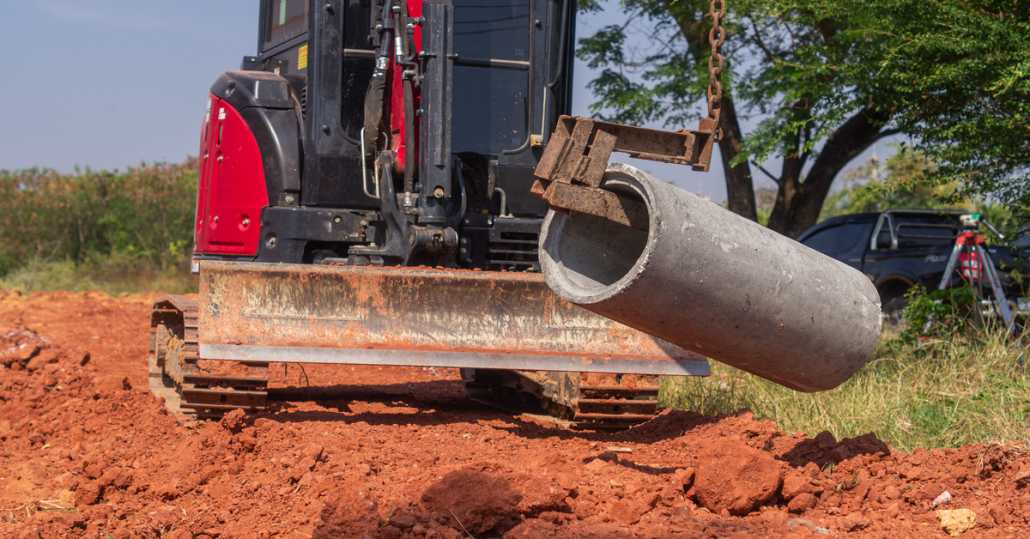
Concrete Pipe Lifting Hooks Diameter Requirements
Proper equipment selection ensures safety and efficiency on any construction site that handles large concrete pipes. The concrete pipe lifting hook is a fundamental tool for this specific task. Its design and specifications, particularly the diameter, have a direct correlation with operational success and worker protection.
A precise match between the hook’s diameter and the pipe’s dimensions prevents slippage, damage, and potential accidents. Understanding the concrete pipe lifting hook diameter requirements is a foundation for secure material transport. This knowledge empowers teams to perform their duties with confidence and precision, which ultimately supports project timelines and structural integrity.
Assess Pipe Wall Thickness
A team must accurately measure the concrete pipe’s wall thickness before they select a hook. This measurement provides the primary data point for the correct hook diameter determination for the job.
An incorrect assessment can lead to the selection of a hook that is either too loose or too tight. Both scenarios pose significant hazards and reduce the overall effectiveness of the lifting operation.
Determine the Hook’s Inner Diameter
The hook’s inner diameter must closely match the pipe’s wall thickness for a secure fit. A proper fit ensures the hook seats completely and makes full contact with the pipe’s surface.
This precise alignment distributes the load forces evenly across the contact area of the powerful hook. It reduces stress concentration points that could otherwise compromise the pipe’s structural soundness over time.
Account for Load Capacity
Engineers calculate the hook’s diameter with specific load capacities in mind for safe project completion. A larger diameter often supports a greater weight, a necessary feature for heavy, reinforced concrete pipes.
Operators must always verify that the selected hook’s stated load limit exceeds the pipe’s actual weight. This important verification step provides a vital safety margin for all lifts that a team performs.
Consider Material and Design
The material composition of the hook, such as high-grade alloy steel, affects its required diameter. Stronger materials can achieve high load ratings with a comparatively smaller diameter for a secure lift.
The specific design of the hook point also influences the selection of the project’s diameter. Investing in a high-quality concrete pipe hook is the best way to ensure it meets rigorous performance standards.
Adhere to Manufacturer Standards
Manufacturers provide detailed specification charts that correlate pipe dimensions with recommended hook diameters. Teams should consult these documents as their primary source of truth for equipment selection and use.
Deviation from these official guidelines can void warranties and introduce unnecessary risks to the project. Strict adherence to manufacturer standards is the hallmark of a professional and safe construction operation.
The selection of a concrete pipe lifting hook requires careful consideration of its diameter. This specification is not arbitrary; it is a calculated dimension based on the pipe’s wall thickness, weight, and the hook’s material properties. Teams must follow a systematic process to assess these variables and consult manufacturer guidelines to make an informed choice.


Leave a Reply
Want to join the discussion?Feel free to contribute!