
5 Differences in Forged vs. Cast Steel Rock Lifting Tools
Your machine’s attachments take a beating on the job site. When you’re moving massive rocks and boulders, you need tools that won’t quit when the work gets tough. Understanding the five differences between forged and cast steel rock lifting tools can help you finish a job on schedule and avoid broken equipment and costly delays. Forged and cast steel each bring distinct characteristics to the table, and having specialized knowledge helps you pick the proper attachment for your specific application.
1. Manufacturing Process Creates Fundamental Strength Differences
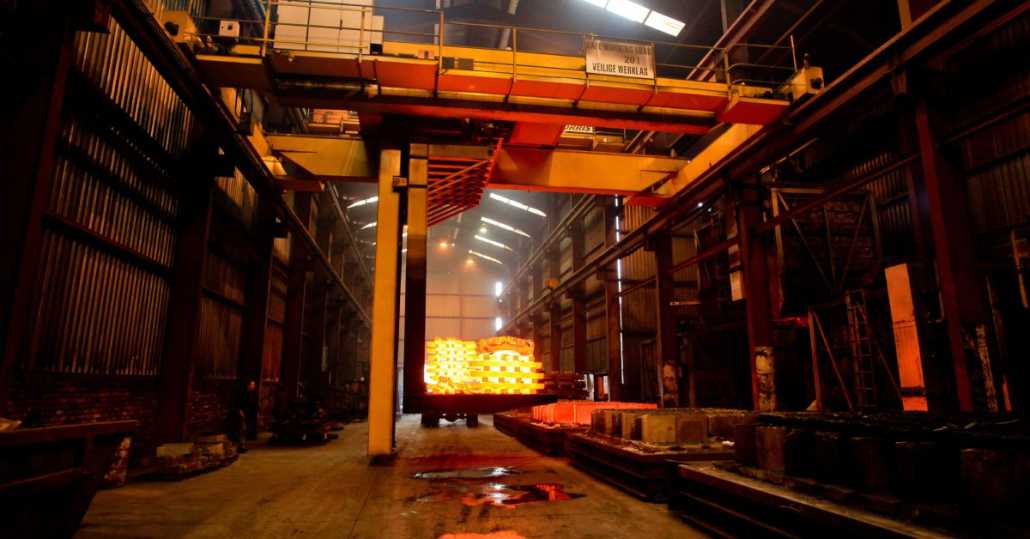
Forged steel is hammered and pressed under extreme pressure, compressing the metal’s grain structure and eliminating internal air pockets. Cast steel, on the other hand, gets poured into molds while molten and then cools into shape. The forging process creates a denser, more uniform material that better withstands stress.
Cast steel can contain microscopic voids and irregularities that form during cooling. Your rock-lifting clamp must withstand tremendous forces, so the manufacturing method directly affects how long your equipment lasts under heavy loads.
2. Impact Resistance Varies Between the Two Methods
Forged steel absorbs impacts without cracking or failing. When your attachment slams into a boulder or takes an unexpected hit, forged components flex slightly and bounce back. Cast steel tends to be more brittle, which means sudden impacts can cause chips, cracks, or complete failure.
Job sites are unpredictable, and your operators can’t always control every variable. Forged attachments give you better insurance against those moments when something goes wrong. The added toughness keeps your crew working rather than waiting for replacement parts.
3. Weight and Design Flexibility Differ Significantly
Cast steel allows manufacturers to create complex shapes with intricate details that would be difficult or expensive to forge. You can get attachments with specialized geometries and features molded right in. Forged steel typically requires more machining after the initial forming process, which can limit design options.
However, forged components often weigh less while maintaining the same strength, which means better fuel efficiency and less wear on your machine’s hydraulics. The trade-off between design complexity and raw strength depends on what matters most for your specific applications.
4. Cost and Lead Times Affect Your Bottom Line
Cast steel attachments generally cost less upfront because the manufacturing process requires less energy and labor. You can get replacement parts faster since casting allows for quicker production runs. Forged steel requires more time, specialized equipment, and skilled labor, which increases the initial price tag.
But cheaper upfront costs aren’t always more affordable over time. Forged attachments last longer and break less often, which reduces your total cost of ownership. Factor in downtime, replacement costs, and maintenance when calculating the actual cost of your equipment.
5. Long-Term Durability Changes Your Maintenance Schedule
Forged steel attachments hold up better over thousands of cycles and years of hard use. The grain structure stays tight, and the material resists fatigue cracks that develop from repeated stress.
Cast steel components may need more frequent inspection and replacement as microscopic flaws gradually expand under constant loading. Your maintenance crew will likely spend less time on forged equipment, and you should face fewer unexpected failures in the field.
The five differences in forged and cast steel rock lifting tools show that each option serves different needs. Your choice depends on your budget, application requirements, and how hard you push your equipment day after day.


Leave a Reply
Want to join the discussion?Feel free to contribute!