
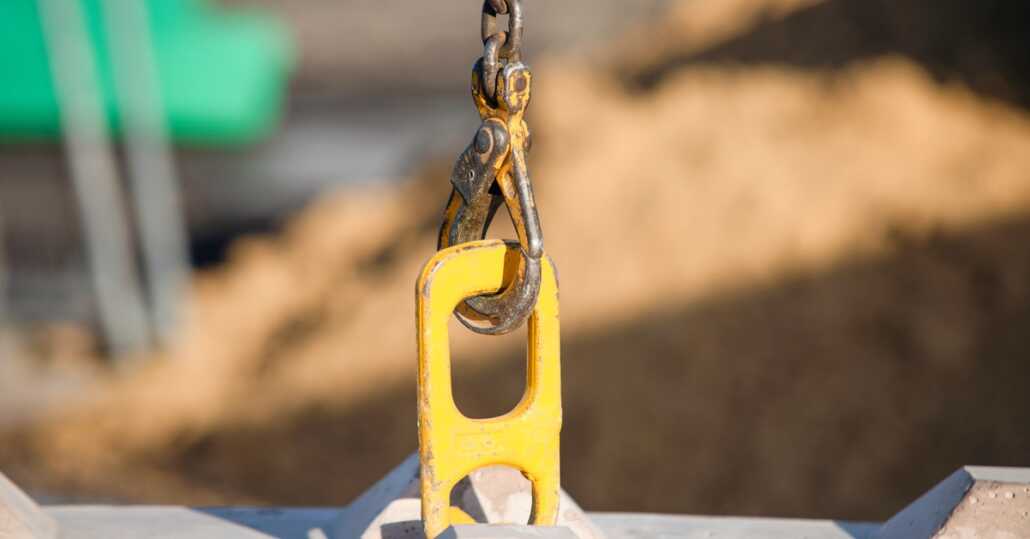
Engineering Durable Grip for Lifting Concrete Blocks
Moving concrete barriers on a job site sounds straightforward until something goes wrong. A slipped grip or a mismatched attachment can shut down your project and put people at serious risk. That’s why engineering a durable grip for lifting concrete blocks deserves more attention during the planning phase of any construction project.
Kenco has spent over 30 years developing barrier lifts and material-handling attachments that contractors and government agencies across the United States rely on to get the job done right. This isn’t about marketing. It’s about understanding what separates a dependable attachment from a liability.
How Load Distribution Affects Concrete Lifts
When you pick up a concrete barrier, the weight doesn’t pull straight down in a clean, predictable line. It shifts. It torques. It tests every point of contact between your attachment and the block. Poor load distribution concentrates stress on specific grip points rather than spreading it evenly, and that concentrated stress is where failures happen.
A standard concrete Jersey barrier weighs between 2,000 and 4,000 pounds. When that weight focuses on a narrow contact zone, you risk cracking the barrier face or losing the load entirely. Even a slight imbalance during the pick can cause the barrier to rotate or swing, putting ground crews in danger and exposing you to liability.
Proper load distribution starts with a well-designed attachment. The geometry of the clamping mechanism, the angle of the tong contact surface, and the clamping force capacity all determine how evenly the load spreads across the barrier. Get this engineering wrong, and you’ll know it on the first heavy lift.
The Engineering Behind the Kenco Barrier Lift
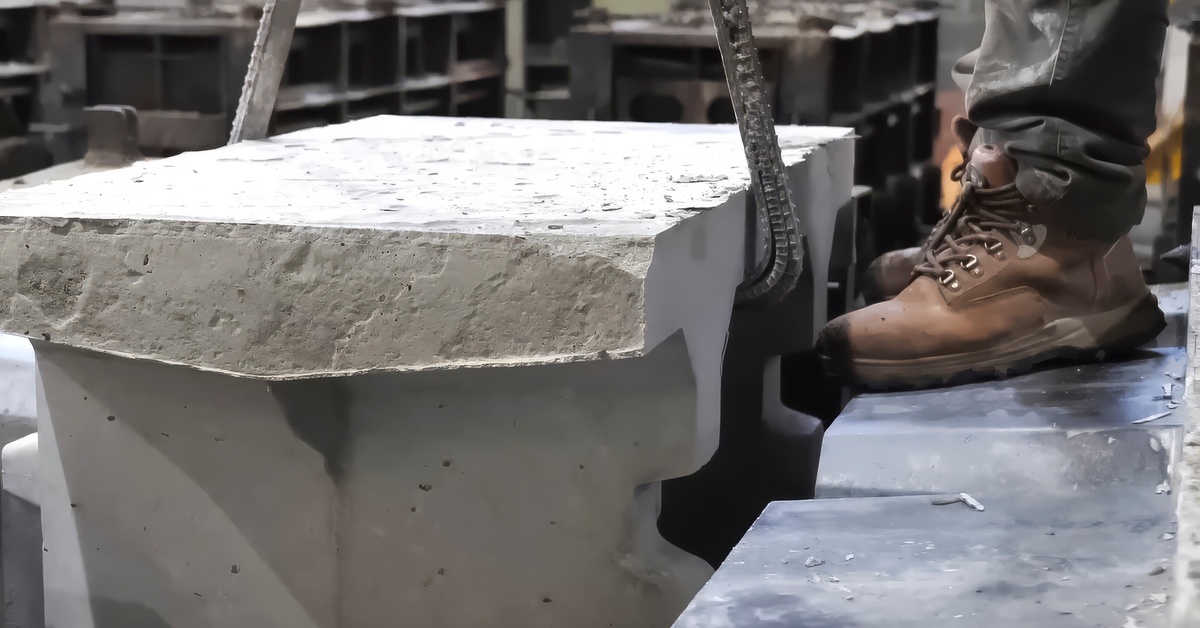
Kenco built the first barrier lift over 30 years ago, and the core engineering principle behind it has stayed consistent: build it stronger than the job demands and build it to last through years of hard use. Our barrier lift grips Jersey barriers and precast concrete blocks with a clamping mechanism that handles the real-world abuse of active construction sites.
The tongs use a precise contact angle that locks onto the barrier as the load weight increases. The heavier the lift, the tighter the grip. That’s not a coincidence. That’s a deliberate mechanical advantage built into the design. The structural components use high-strength steel that holds up under repeated lifts and the kind of daily punishment that lesser attachments don’t survive.
We engineer the barrier lift to integrate with the hydraulic systems on standard excavators and wheel loaders without requiring custom modifications. Mount it, connect it, and get to work.
Features That Do the Heavy Work
The Kenco barrier lift earns its reputation because of specific design choices that make it the most unique and effective solution on the market. Here’s what makes it the most trusted barrier picker in the industry:
- Self-locking tong mechanism that tightens its grip as the load weight increases, keeping the barrier secure through the entire lift cycle.
- High-strength steel construction that resists deformation under repeated heavy loads and harsh field conditions.
- Precision contact geometry that distributes the clamping force evenly across the barrier face to prevent cracking and surface damage.
- Universal hydraulic compatibility that allows the attachment to connect to excavators and wheel loaders without custom fitting.
- Compact profile that provides operators with better sightlines and maneuverability in tight job-site conditions.
- 30-year proven performance with major contractors and government agencies across the United States.
We developed these features by listening to operators who needed an attachment that performs under real pressure, not just in controlled test conditions. Their feedback has directly influenced the innovations that make our barrier lifts so coveted.
How to Select the Right Barrier Lift for Your Machine
Before you spec out a barrier lift, pull your machine’s hydraulic flow rate and confirm the maximum barrier weight you’ll handle on the project. Those two data points cut the selection process down fast and keep you from buying the wrong tool.
For excavator operators, the attachment must match the carrier weight class. A 20-ton excavator runs different hydraulic flow and pressure specs than a 14-ton machine. Running an undersized attachment on a larger carrier won’t improve performance. It’ll give you a damaged attachment and a project shutdown.
Wheel loader operators should pay attention to the center of gravity shift as the barrier moves past the bucket pivot. That shift affects machine stability and changes how you feel the load. We design our barrier lifts with these real-world dynamics in mind, so operators get consistent, predictable performance from the first pick.
If you manage a mixed fleet, Kenco’s product line covers a range of carrier classes. You won’t need separate vendors for your excavators and your loaders. This versatility streamlines equipment management and reduces downtime between projects.
When Off-the-Shelf Doesn’t Cut It
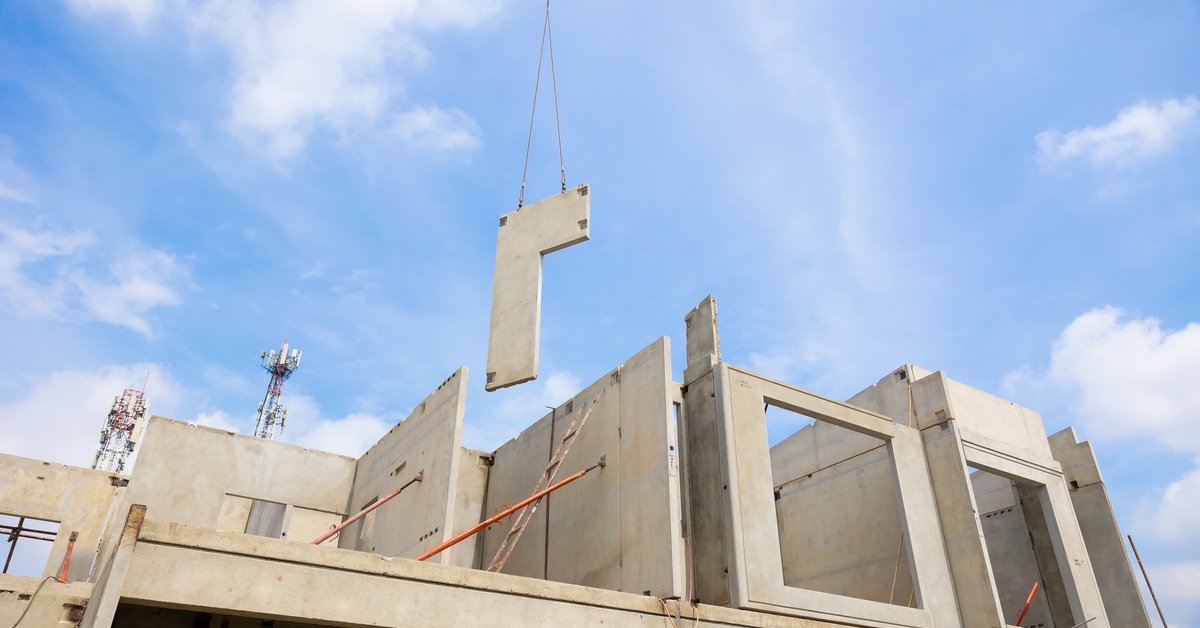
Some jobs don’t fit neatly into a catalog. A barrier profile with non-standard dimensions or a project specification that exceeds standard lift capacity will quickly expose the limits of stock products. You won’t find the solution in a product brochure.
Kenco’s engineering team designs custom attachments for construction and demolition projects that fall outside standard parameters. The process starts with your job requirements. You bring the specs, and our team reviews the application, and they build from there.
Custom fabrication doesn’t mean extended lead times either. Kenco has the manufacturing infrastructure to deliver engineered solutions on time, keeping your schedule intact.
This capability matters most to project managers running specialized operations at large firms. When you need an attachment that doesn’t exist in any catalog, you need a manufacturer with the engineering depth to build it right and deliver it on time.
Grip That Holds Up Across Every Job Site
Engineering a durable grip for lifting concrete blocks comes down to one thing: an attachment that holds under real pressure, on real job sites, lift after lift. Kenco’s barrier lift has met that standard for over 30 years, and that track record didn’t come from luck. It came from engineering decisions made by people who understand what happens when an attachment fails in the field.
When contractors and government agencies across the United States need a concrete block lifting device that holds up under real pressure, Kenco is the name they reach for first. If you move concrete barriers as part of your regular operations and want a reliable grip every time, contact the Kenco team to find the right barrier lift for your machine.

Leave a Reply
Want to join the discussion?Feel free to contribute!