
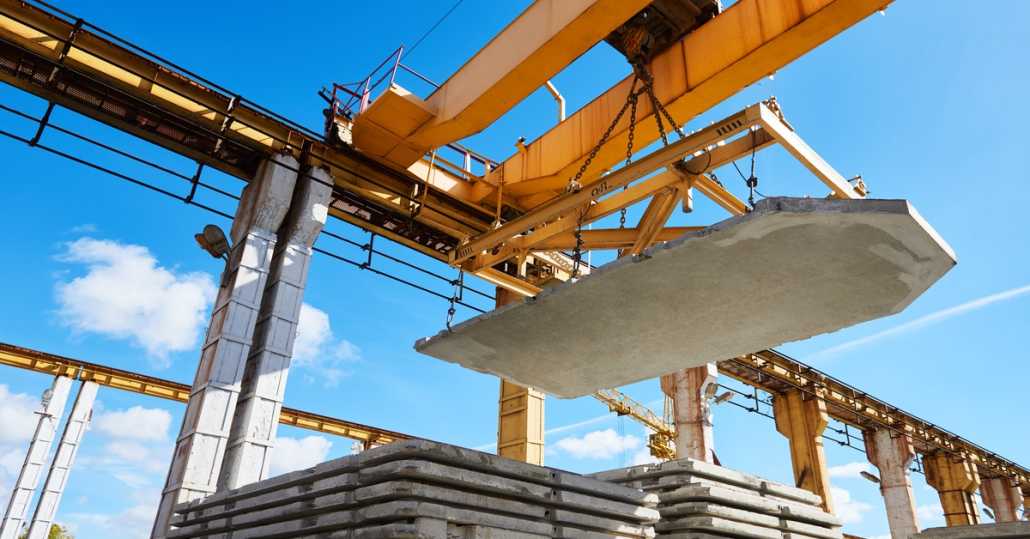
5 Tips for Preventing Damage When Lifting Slabs
Lifting concrete slabs on a job site looks simple until something goes wrong. Cracked slabs, equipment damage, and safety hazards can turn a routine lift into an expensive headache.
Whether you’re running a small crew or managing a major project, knowing how to prevent damage during slab lifting keeps your operation running smoothly and your budget intact. These five tips will help you handle slabs like a pro and avoid the costly mistakes that plague job sites every day.
1. Choose the Right Equipment for the Job
Your lifting equipment matters more than you think. A barrier lift or clamp explicitly designed for slab work distributes weight evenly and grips securely without crushing edges. Generic attachments might save you a few bucks upfront, but they’ll cost you when slabs crack or slip.
Match your equipment to the slab’s weight, size, and material specs. Check load ratings before every lift and replace worn components immediately. The right gear protects your materials and keeps your crew safe.
2. Inspect Slabs Before You Lift
Damaged slabs cause damaged lifts. Walk the site and check each slab for cracks, chips, weak spots, or exposed rebar before your machine touches it. Look for these red flags:
- Hairline fractures running through the concrete
- Crumbling or spalling edges
- Uneven thickness or visible voids
- Water damage or weathering
Mark problem slabs and handle them differently or reject them outright. A quick inspection saves time and money and prevents catastrophic failures mid-lift.
3. Position Your Attachment at the Balance Point
Physics doesn’t care about your schedule. Center your lift point on the slab’s balance point, usually the geometric center, to prevent tipping, twisting, or stress fractures.
An off-center lift can put uneven pressure on the concrete, causing it to snap in half. Take the extra minute to position your attachment correctly.
Measure it twice, and you’ll only need to lift it once. Your slabs will thank you, and so will your bottom line.
4. Lift Slowly and Keep It Level
Speed kills slabs. Jerky movements and rapid acceleration create shock loads that exceed the concrete’s tensile strength. Raise your load smoothly and maintain a level plane throughout the entire lift.
Watch for slab movement or flexing. If you see it bending, you’re doing it wrong. Slow, controlled lifts prevent micro-fractures that weaken the slab over time. Patience pays off when your materials arrive at their destination intact.
5. Set Down Gently on Stable Ground
The lift isn’t finished until the slab safely touches down. Lower your load onto level, compacted ground that can support the weight without settling. Uneven surfaces create stress points that crack slabs even after a perfect lift.
Clear out debris, rocks, and soft spots from the landing zone before you start. A gentle touchdown on solid ground completes the job right and protects your investment.
Lift Smarter, Not Harder: Your Path to Damage-Free Slabs
These five tips for preventing damage when lifting slabs will save you materials, time, and money on every project. The right concrete slab lifting devices, combined with proper technique, separate professional operators from amateurs. Master these fundamentals, and you’ll handle slabs with confidence, no matter the size of your crew or the scope of your work.


Leave a Reply
Want to join the discussion?Feel free to contribute!