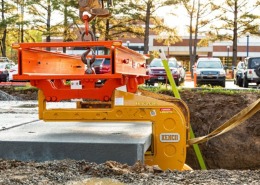
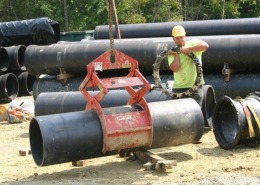
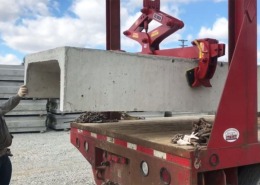
You see those concrete barriers lining every highway and construction site across the country. Moving them safely takes more than brute force. It also takes clever engineering. How jersey wall clamps distribute lifting force requires an understanding of fundamental physics and proper equipment design.
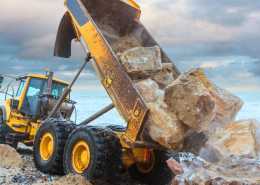
Your machine’s attachments take a beating on the job site. When you’re moving massive rocks and boulders, you need tools that won’t quit when the work gets tough. Understanding the five differences between forged and cast steel rock lifting tools can help you finish a job on schedule and avoid broken equipment and costly delays. Forged and cast steel each bring distinct characteristics to the table, and having specialized knowledge helps you pick the proper attachment for your specific application.
https://kenco.com/wp-content/uploads/2025/12/kencocorporation-404192-forged-steel-components-blogbanner-1.jpg6281200Jess Skinnerhttps://kenco.com/wp-content/uploads/2017/08/Kenco-Logo-2017-300x138.pngJess Skinner2025-12-01 13:12:052025-12-01 13:12:545 Differences in Forged vs. Cast Steel Rock Lifting Tools
You’ve got one heck of a machine on your jobsite, but do you really know what it can handle? Calculating the excavator’s lifting capacity with attachments requires understanding how each attachment affects your lift limits. Read more
https://kenco.com/wp-content/uploads/2025/11/kencocorporation-397674-excavator-crane-lifting-blogbanner-1.jpeg6281200Jess Skinnerhttps://kenco.com/wp-content/uploads/2017/08/Kenco-Logo-2017-300x138.pngJess Skinner2025-11-17 15:30:252025-11-17 15:30:25Calculating Excavator Lifting Capacity With Attachments
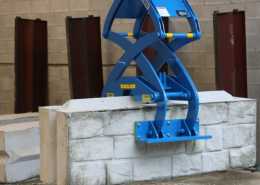
You’ve probably seen them on job sites. Those mechanical arms that grab concrete barriers like they weigh nothing. The engineering behind scissor-type block lifters is more sophisticated than most people realize. These attachments handle thousands of pounds of concrete daily without breaking a sweat.
When you’re moving Jersey barriers, retaining wall blocks, or precast concrete sections, you need equipment that won’t fail when you’re 15 feet in the air with a 4,000-pound load. Proper engineering separates the tools that last from the ones that end up in the scrap heap after six months.
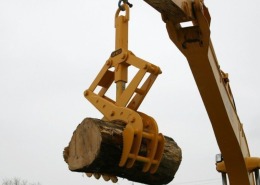
Trench work demands precision, strength, and equipment you can trust. Mechanical pipe hooks are essential tools for trench excavation, enabling crews to position, support, and manipulate pipes with accuracy and safety.
https://kenco.com/wp-content/uploads/2025/11/kencocorporation-397675-trench-excavation-project-blogbanner-1.jpeg6281200Jess Skinnerhttps://kenco.com/wp-content/uploads/2017/08/Kenco-Logo-2017-300x138.pngJess Skinner2025-11-13 17:06:482025-11-13 17:07:50How Mechanical Pipe Hooks Are Used in Trench Excavation
Barrier lifts play a crucial role in military operations, providing a safe and efficient way to handle heavy concrete barriers. Creating secure perimeters, managing traffic flow, and protecting personnel in high-risk environments are some of the ways barrier lifts are used by the military. The military relies on barrier lifts for their durability, precision, and ability to streamline operations in challenging conditions.
https://kenco.com/wp-content/uploads/2025/10/KencoCorporation-392060-Military-Base-Desert-Blogbanner1.jpg6281200Jess Skinnerhttps://kenco.com/wp-content/uploads/2017/08/Kenco-Logo-2017-300x138.pngJess Skinner2025-10-02 14:39:252025-10-02 14:39:25How Barrier Lifts Are Used by the Military
Lifting heavy materials safely requires equipment that performs reliably under challenging conditions. Among the many tools used in construction and industrial operations is the block lifting clamp, a device designed specifically for lifting and handling heavy concrete blocks.
Rigorous load testing requirements for block lifting clamps ensure their functionality, durability, and compliance with industry safety standards. Being aware of load testing, its requirements, and best practices promotes worker safety and prolongs the equipment’s lifespan.
Selecting the right barrier lifting attachment company ensures your construction projects are safe, efficient, and successful. These attachments are essential for safely handling large concrete barriers, so the quality of the equipment and the reliability of the company you choose directly impact your project’s success. Whether you are new to or accustomed to using barrier lifters, knowing what to look for in a barrier lifting attachment company protects your operations and investment.
https://kenco.com/wp-content/uploads/2025/09/KencoCorporation-392056-Construction-Site-Workers-Blogbanner1.jpeg6281200Jess Skinnerhttps://kenco.com/wp-content/uploads/2017/08/Kenco-Logo-2017-300x138.pngJess Skinner2025-09-18 11:06:162025-09-18 11:06:16What To Look For in a Barrier Lifting Attachment Company
When it comes to moving heavy rocks and debris, quality equipment can support efficiency and safety on the work site. The two main types of rock lifting systems are automatic and hydraulic.
https://kenco.com/wp-content/uploads/2025/09/KencoCorporation-386131-Heavy-Machinery-Rocks-image1.jpeg6281200Jess Skinnerhttps://kenco.com/wp-content/uploads/2017/08/Kenco-Logo-2017-300x138.pngJess Skinner2025-09-09 15:13:122025-09-09 15:14:10Automatic vs. Hydraulic Rock Lifting Systems
Choosing the right equipment for lifting tasks is incredibly important, especially when you’re working with pipes for construction, manufacturing, or infrastructure projects. One key element in guaranteeing proper operations and safety is figuring out what capacity pipe lift you need. Selecting the correct capacity prevents equipment failure and ensures smooth operations by preserving materials, reducing downtime, and protecting workers.
https://kenco.com/wp-content/uploads/2025/09/KencoCorporation-386129-Capacity-Pipe-Lift-Blogbanner1.jpg6281200Jess Skinnerhttps://kenco.com/wp-content/uploads/2017/08/Kenco-Logo-2017-300x138.pngJess Skinner2025-09-02 10:23:032025-09-02 10:24:44How To Figure Out What Capacity Pipe Lift You Need
How Jersey Wall Clamps Distribute Lifting Force
/in BlogYou see those concrete barriers lining every highway and construction site across the country. Moving them safely takes more than brute force. It also takes clever engineering. How jersey wall clamps distribute lifting force requires an understanding of fundamental physics and proper equipment design.
Read more
5 Differences in Forged vs. Cast Steel Rock Lifting Tools
/in BlogYour machine’s attachments take a beating on the job site. When you’re moving massive rocks and boulders, you need tools that won’t quit when the work gets tough. Understanding the five differences between forged and cast steel rock lifting tools can help you finish a job on schedule and avoid broken equipment and costly delays. Forged and cast steel each bring distinct characteristics to the table, and having specialized knowledge helps you pick the proper attachment for your specific application.
Read more
Calculating Excavator Lifting Capacity With Attachments
/in BlogYou’ve got one heck of a machine on your jobsite, but do you really know what it can handle? Calculating the excavator’s lifting capacity with attachments requires understanding how each attachment affects your lift limits. Read more
The Engineering Behind Scissor-Type Block Lifters
/in BlogYou’ve probably seen them on job sites. Those mechanical arms that grab concrete barriers like they weigh nothing. The engineering behind scissor-type block lifters is more sophisticated than most people realize. These attachments handle thousands of pounds of concrete daily without breaking a sweat.
When you’re moving Jersey barriers, retaining wall blocks, or precast concrete sections, you need equipment that won’t fail when you’re 15 feet in the air with a 4,000-pound load. Proper engineering separates the tools that last from the ones that end up in the scrap heap after six months.
Read more
How Mechanical Pipe Hooks Are Used in Trench Excavation
/in BlogTrench work demands precision, strength, and equipment you can trust. Mechanical pipe hooks are essential tools for trench excavation, enabling crews to position, support, and manipulate pipes with accuracy and safety.
Read more
How Barrier Lifts Are Used by the Military
/in BlogBarrier lifts play a crucial role in military operations, providing a safe and efficient way to handle heavy concrete barriers. Creating secure perimeters, managing traffic flow, and protecting personnel in high-risk environments are some of the ways barrier lifts are used by the military. The military relies on barrier lifts for their durability, precision, and ability to streamline operations in challenging conditions.
Read more
Load Testing Requirements for Block Lifting Clamps
/in BlogLifting heavy materials safely requires equipment that performs reliably under challenging conditions. Among the many tools used in construction and industrial operations is the block lifting clamp, a device designed specifically for lifting and handling heavy concrete blocks.
Rigorous load testing requirements for block lifting clamps ensure their functionality, durability, and compliance with industry safety standards. Being aware of load testing, its requirements, and best practices promotes worker safety and prolongs the equipment’s lifespan.
Read more
What To Look For in a Barrier Lifting Attachment Company
/in BlogSelecting the right barrier lifting attachment company ensures your construction projects are safe, efficient, and successful. These attachments are essential for safely handling large concrete barriers, so the quality of the equipment and the reliability of the company you choose directly impact your project’s success. Whether you are new to or accustomed to using barrier lifters, knowing what to look for in a barrier lifting attachment company protects your operations and investment.
Read more
Automatic vs. Hydraulic Rock Lifting Systems
/in BlogWhen it comes to moving heavy rocks and debris, quality equipment can support efficiency and safety on the work site. The two main types of rock lifting systems are automatic and hydraulic.
Read more
How To Figure Out What Capacity Pipe Lift You Need
/in BlogChoosing the right equipment for lifting tasks is incredibly important, especially when you’re working with pipes for construction, manufacturing, or infrastructure projects. One key element in guaranteeing proper operations and safety is figuring out what capacity pipe lift you need. Selecting the correct capacity prevents equipment failure and ensures smooth operations by preserving materials, reducing downtime, and protecting workers.
Read more